How does your minimally invasive approach benefit your patients?
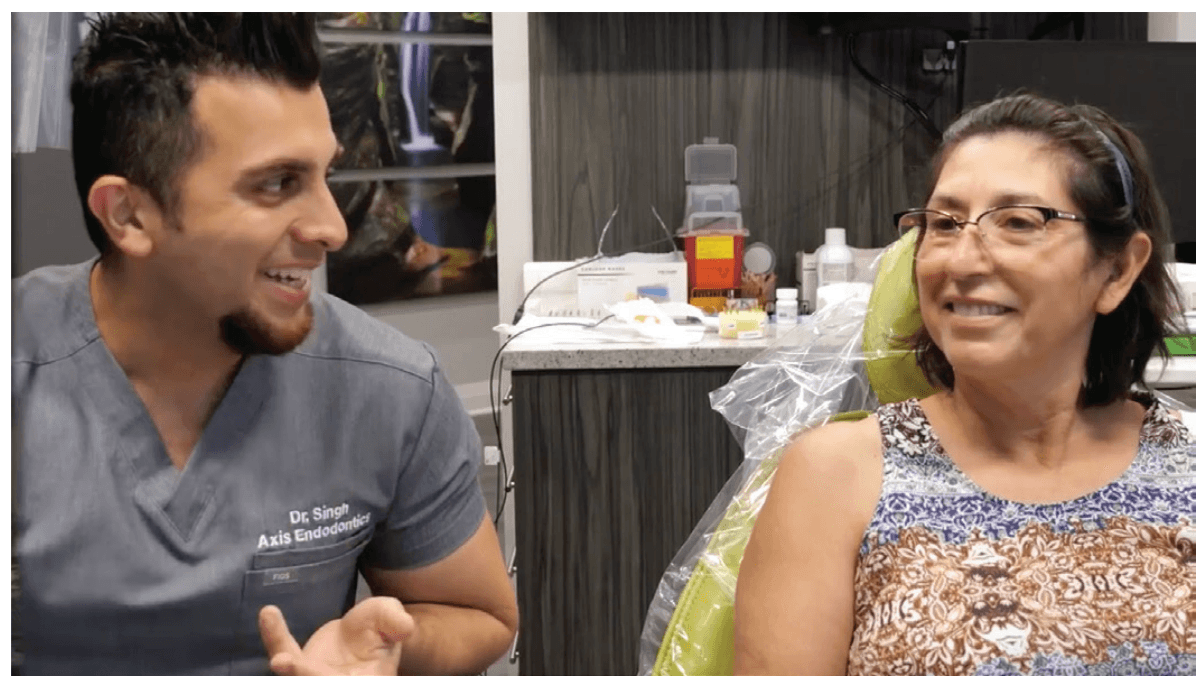
There is a human behind every tooth and every procedure. We want to put their feelings at ease and make sure they know that their true well-being is at the heart of everything we value here at Axis Endodontics.
What are some clinical advantages to your philosophy?
Preserving more original tooth structure makes teeth stronger and more resilient to fractures, enhancing their long-term survival. Minimal intervention often leads to reduced postoperative pain and sensitivity. A tooth with more intact structure provides a better base for future restorations. At Axis, we work with referring dentists for a comprehensive care approach that allows patients to feel less anxiety knowing their natural tooth is being preserved and builds confidence in the care they receive. Less invasive procedures generally mean a faster return to normal life.
Has this philosophy influenced how you educate patients?
My minimally invasive philosophy profoundly shapes how I conduct initial consultations and educate patients. Besides the procedure, we want a holistic understanding of the patient’s oral health and overall well-being. I review their medical history thoroughly, their dentition, and dental habits such as any parafunctional habits (clenching/grinding, etc.), while maintaining a minimally invasive approach.
Also, instead of simply presenting a single treatment option, I focus on providing a clear and transparent overview of all viable alternatives, respective benefits, risks, and prognoses. My aim is to empower patients to make informed decisions that align with their individual needs and values. One significant benefit I emphasize is the increased structural integrity of their tooth achieved through our minimally invasive techniques. For example, I will discuss how we prioritize enhanced chemical disinfection methods, such as laser activation of irrigating solutions that allow for superior bacterial elimination within the root canal system with minimal removal of healthy dentin, directly contributing to the tooth’s long-term strength and resistance to fracture.
How do you determine whether new instruments or techniques support your philosophy?
We rigorously assess whether new instruments or techniques support or detract from the preservation of natural tooth structure and the optimization of long-term patient outcomes. Even in instances where we are offered materials to test for feedback, our evaluation process is rooted in evidence-based dentistry. All the tools available online to us allow for comprehensive research.
We meticulously examine characteristics like file taper, cross section, and material properties to understand their impact on dentin removal. We prioritize studies that assess fracture resistance of teeth after instrumentation, ensuring new tools enhance the tooth’s structural integrity. For techniques involving enhanced disinfection, such as ultrasonics or lasers, we demand robust, long-term studies demonstrating superior microbial control with minimal tissue sacrifice. Ultimately, any new development must demonstrate a clear benefit in terms of conserving tooth structure, improving clinical predictability, and contributing to the tooth’s long-term health.
How has your clinical approach evolved?
My clinical approach has been driven by the integration of cutting-edge systems and technologies.
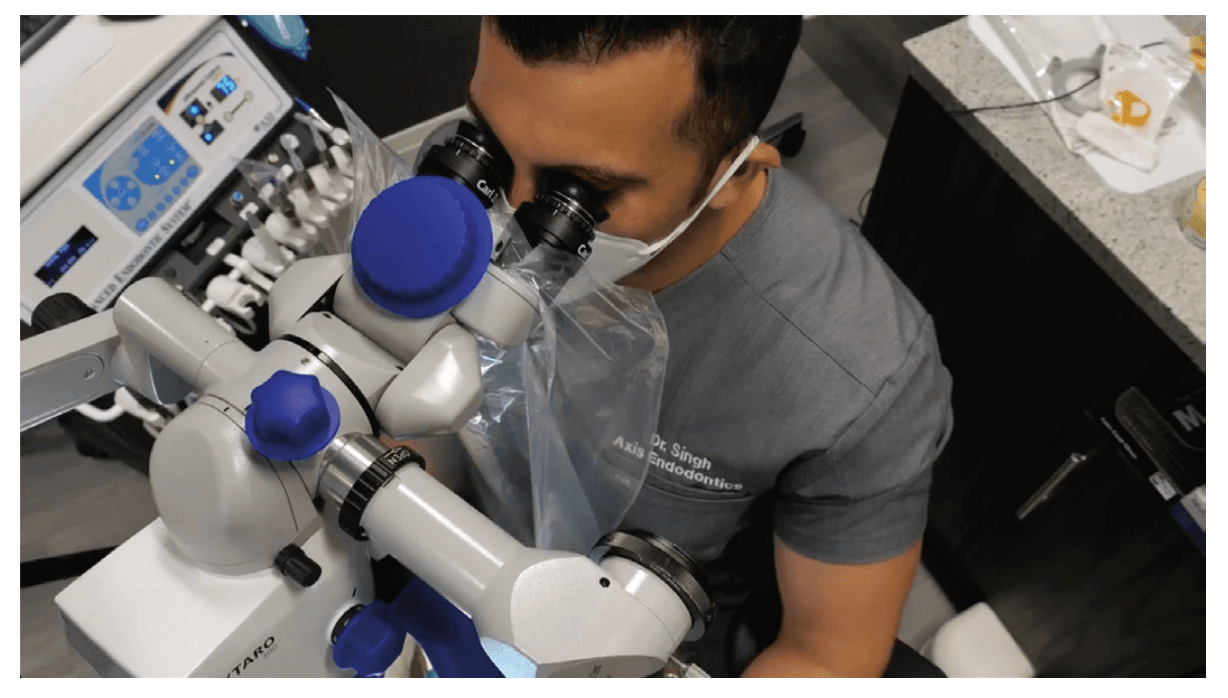
The adoption of advanced rotary file systems, such as those with variable tapers, e.g., the DC Taper file system from SS White Dental, is a prime example of refined instrumentation. These designs intelligently adapt to the natural canal anatomy from coronal to apical, reducing unnecessary dentin removal and significantly minimizing stress on areas prone to fracture. This ensures both effective cleaning and superior tooth preservation.
Technologies like the Er:YAG laser from J. Morita have revolutionized our disinfection protocols. Its ability to activate irrigating solutions without thermal damage to the canal walls is a game-changer. This leads to profound disinfection, greater efficiency, and a simplified instrumentation process.
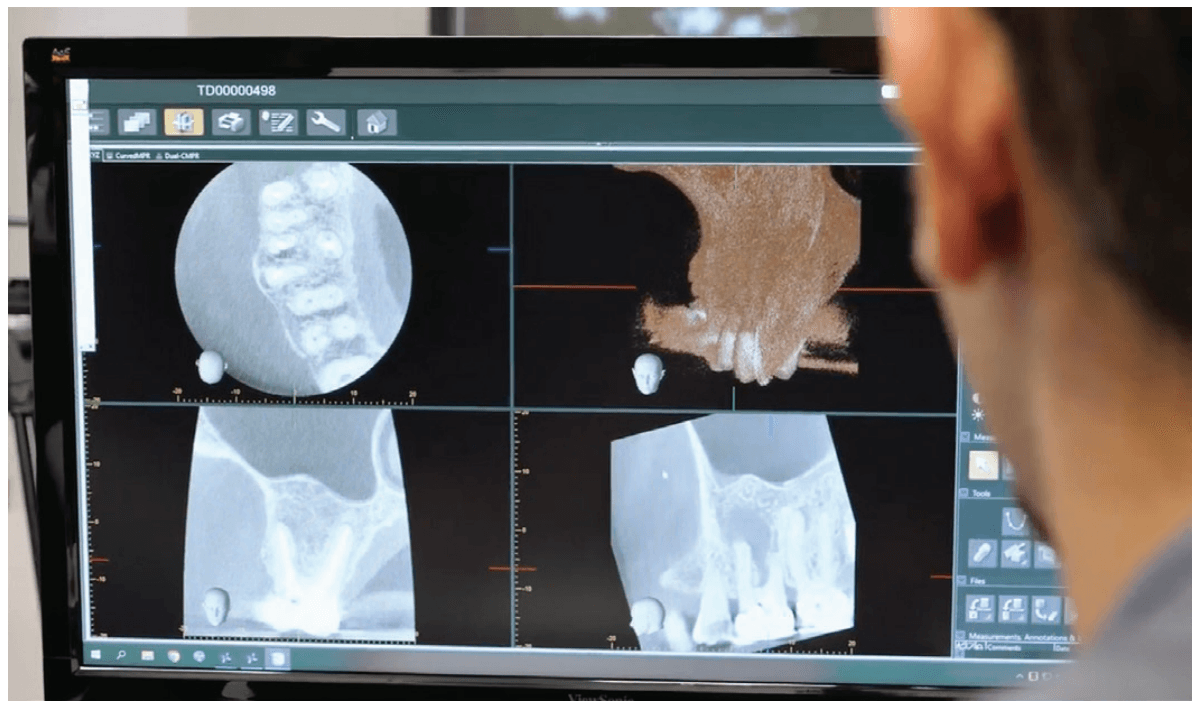
The Cone Beam Computed Tomography (CBCT) by J. Morita is now an indispensable tool, utilized for every case. It provides invaluable 3D anatomical insights that were previously unattainable, allowing us to:
- Accurately diagnose complex anomalies and pathology.
- Thoroughly evaluate tooth restorability before treatment initiation.
- Reduce retreatment rates by mapping canal anatomy and identifying all present canals.
- Facilitate truly minimally invasive “ninja” access by enabling precise, image-guided entry.
These technological integrations have elevated the predictability and long-term success of our treatments, while staying true to our core philosophy of preserving natural tooth structure and a mindset of doing what is best and right for the patients.
What contributes to a truly seamless workflow and greater efficiency?
A seamless workflow comes from having treatments scheduled to manage same day emergencies, verify patient appointments, having the patient pre-fill their medical history and/or pain history, along with having all benefits from insurances checked for patients so there are no surprises. We have honest conversations about treatment with patients at their consultations as well as constant communication with all referring dentists on a personal and professional level. We ensure that the rooms are stocked with equipment and checked daily.
How has your experience as president of the Chicago Dental Society-Southwest Branch and Director for the entire Chicago Dental Society shaped your view of leadership?
Building my practice included extensive continuing education (CE) opportunities and invaluable camaraderie with a wide array of dentists and specialists that expanded my understanding of the field significantly.
Professionally, these leadership roles offered a unique opportunity to actively advocate for and safeguard the standards and integrity of dentistry. Engaging with organized dentistry is vital for the effective implementation of laws, rules, and regulations that address the evolving challenges our profession faces. This includes navigating significant shifts, from global health crises like COVID-19 to the increasing influence of corporate entities in healthcare, which can sometimes compromise the quality of patient care.
I’ve been able to implement these insights to set a clear example for my colleagues and staff, fostering an environment of excellence and commitment to patient care, staff compatibility, and happiness.
What do you look for in an industry partner beyond the product?
Honestly, a big part is expertise and engagement of the customer service reps and sales representatives. A key differentiator for sales representatives is not merely about conveying features but demonstrating a comprehensive understanding of how their solutions integrate with and enhance dental practices. This expertise, coupled with genuine engagement, signals a partner committed to providing insightful support.
Product quality is beyond paramount. The initial impressions encompass long-term reliability, efficacy, and consistent delivery on promised performance. A superior product minimizes clinical complications and enhances patient outcomes, which is non-negotiable.
We at Axis want a partner that demonstrates exceptional care and responsiveness in addressing product-related issues. This includes transparent communication regarding new developments, proactive foresight into potential future challenges, and a steadfast commitment to rectifying concerns even with previous product iterations.
For example, we had an issue with the laser not producing optimum disinfection due to a buildup in the lens. The team at Morita flew a member in overnight to resolve the issue, supplement us with a working part, and make sure our clinical care did not falter because of the product complication. This dedication to continuous improvement and client support builds trust and ensures a stable, reliable partnership.
How do you instill your values within your practice culture?
I do my best to lead by example and cultivate a unified understanding that every patient is a person, not merely a procedure. This means prioritizing honesty and uncompromising quality in all aspects of our work. I have worked hard to ensure that every team member feels valued and respected. We recognize our shared humanity, ensuring a collaborative and empathetic approach to patient care.
What tells you a tool elevates your practice?
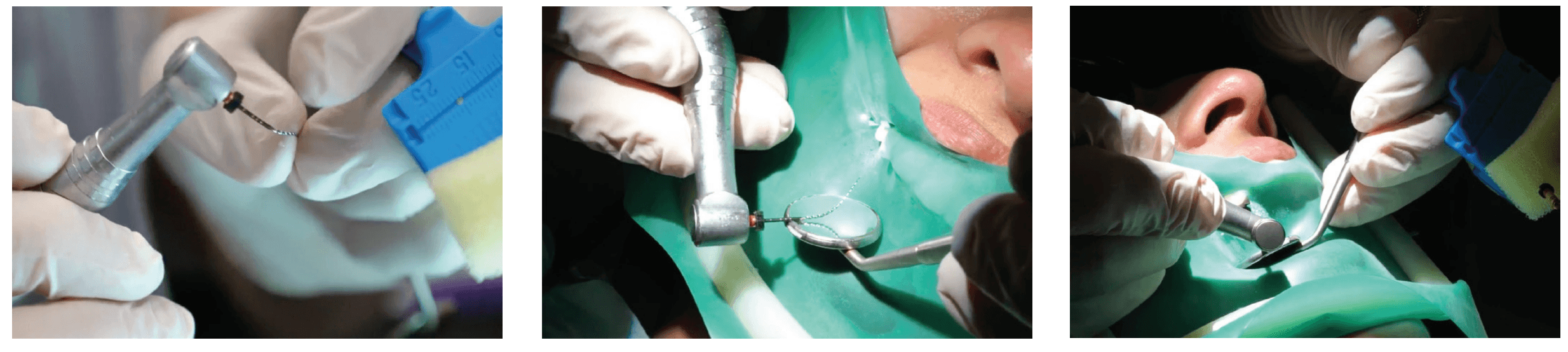
The decision to integrate a new tool is driven by a rigorous evaluation focused on its capacity to genuinely elevate patient care and operational efficiency without causing undue disruption. This assessment is predicated on three core pillars: robust scientific validation and research demonstrating efficacy and safety, comprehensive product knowledge and meticulous internal evaluation to confirm its practical benefits, and crucially, the ability to seamlessly test and adapt its implementation, ensuring that any necessary adjustments can be made without compromising existing workflows or patient outcomes.
How do you think your instrumentation choices influence patient experience and treatment predictability?
Using the unique design of the file system we use (DC Taper, SS White Dental) allows us to minimize patient chair time, while maintaining predictability of the tooth’s longevity. We are grateful for the ability to offer this with our file systems and our specific protocols at Axis. Predictability has been incredible with these techniques, and we have set examples and expectations for other offices with the minimally invasive techniques.
What separates the tools that stick from the ones that don’t?
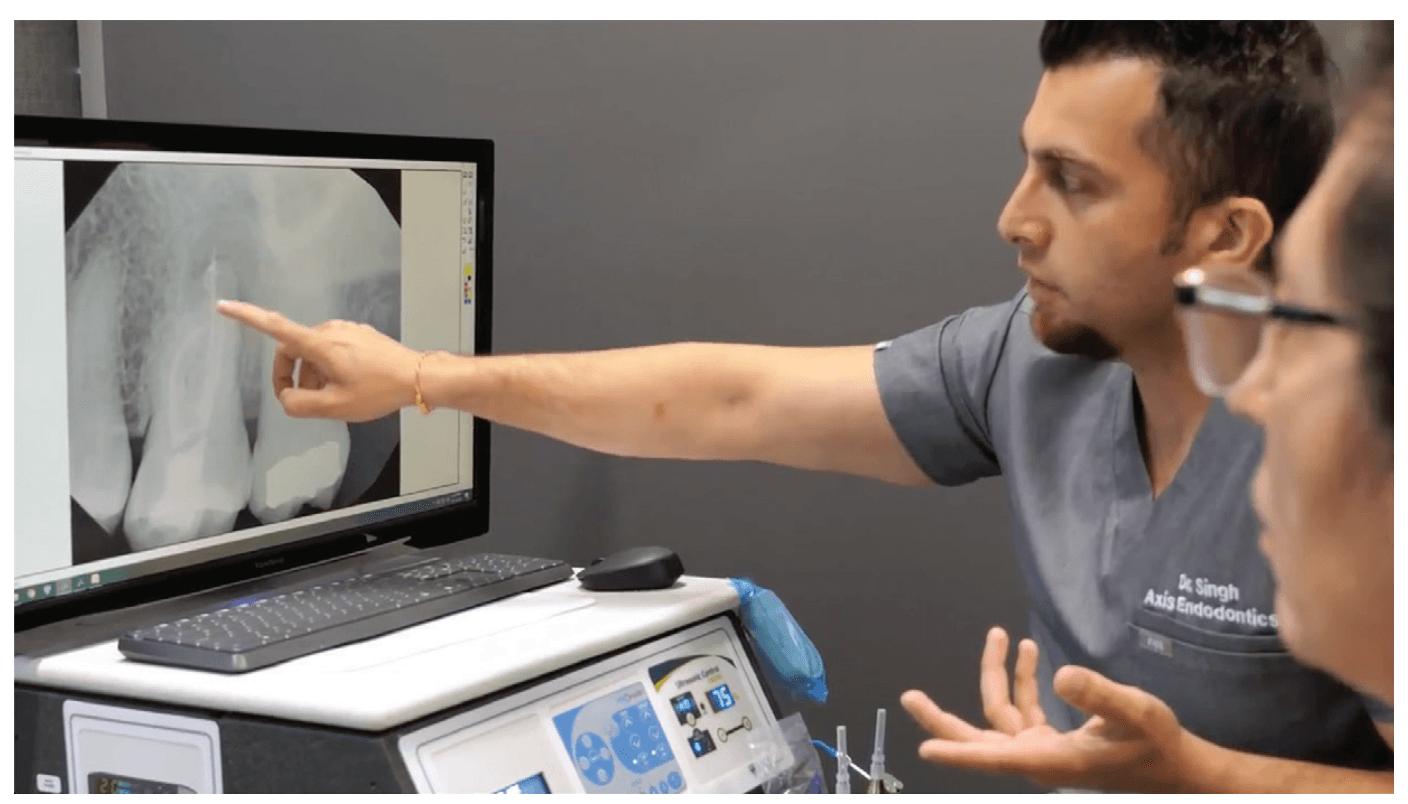
The human body and teeth involved are complex, as are the root canal systems, and prior to the imaging techniques available today, everything was based in two dimensions. By implementing a protocol of 3-D analysis, we have opened research and file systems/obturation techniques to improve in areas they may not have had foresight to change.
What’s something most people wouldn’t expect about a minimalist mindset?
Our minimalist approach is dynamic and continually open to change, actively integrating the latest advancements in chemistry, biology, and health science to refine our techniques. Our objective is persistent evolution, mirroring the ongoing advancements essential across all healthcare disciplines.
A minimalist approach often translates to maximal initial investment in technology and diagnostics. This isn’t driven by financial gain but by an unwavering commitment to superior patient care, both in treatment and, critically, in accurate diagnosis. We frequently encounter cases where unnecessary root canal procedures could have been avoided entirely if a CBCT scan been utilized from the get-go.
Also, minimalism in practice means more in cost, so we’re doing it for patient care in treatment and in diagnosis. I can’t tell you how many patients didn’t need a root canal but got one; had someone just done a CBCT, the whole thing could’ve been avoided.
What would your advice be to a young clinician entering endodontics today?
My dear young colleague, as you embark on this incredibly rewarding journey into endodontics, the most profound advice I can offer, deeply rooted in my own experiences, is: Always remember the human being in your chair, and courageously question everything.
Make it your unwavering principle that the patient always comes first, not the procedure. This means speaking your mind and challenging assumptions, always striving for what is genuinely best for their well-being. Trust your intuition; if something doesn’t feel right, investigate further.
I was incredibly fortunate to have a professor at Nova, who instilled in us a profound skepticism, pushing us to independently research and scrutinize every piece of information. We learned to verify sources, often discovering that even widely cited studies in prominent journals lacked true scientific rigor. This critical approach opened my eyes to how much of our professional landscape, from antibiotics and pain management to treatment protocols, can be influenced by financial interests. Without a deep, biologically sound understanding, both practitioners and patients can be led astray. So, question relentlessly.
Above all, let ethics be your constant guide. We are all human, and every patient deserves the same consideration and empathy you would give your own family. When you prioritize what is truly necessary over financial gain, you will find peace in your work and sleep soundly at night, knowing you have always done what is right.
Stay Relevant With Endodontic Practice US
Join our email list for CE courses and webinars, articles and more..